Christchurch North Canterbury Patrol
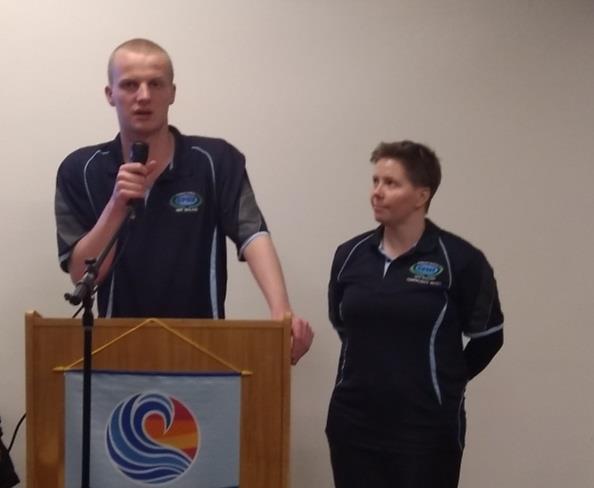
Laura Hatwell and Angus Fitzpatrick gave us an interesting insight into the activities of the voluntary non-for-profit night patrol who act as the eyes and ears for the Police.
Laura, who is originally from England, works as a Team Leader for Youth Town by day and as a Community Patroller by night. She especially enjoys patrolling as it is quite different to her day job.
“There are approximately 6,000 sworn Police officers in NZ and 5,800 community patrollers” explained Laura “and we are honoured to do our job which helps keeping the community safe.”
The main role of the patrol is to observe and report issues. This includes:
- Running day and night community patrols.
- Collecting local police station mail 5 days a week and delivering it to Police Headquarters.
- Picking up and delivering patients and equipment to the Charity Hospital.
- Sending in summary reports of observations each shift.
In addition, the patrol has also been supporting people affected by the Mosque attacks by taking them to free counselling.
“We have approximately 23 patrollers that work across 24 weekly shifts. This amounts to covering ~ 1,200 kms over 180 hours of patrolling in our old tired CRV vehicle” said Laura. “Police pay for our petrol but we rely on goodwill from various sources to cover costs” she explained.
As their vehicle is on its last legs, they are currently actively fundraising for a new vehicle to ensure they can maintain the level of patrolling currently in place.
Angus then took the stage and explained that patrolling is very much a cooperative effort that shows their presence to the general public. “This is crucial to our role” he explained “as it helps build trust with the wider community.”
When asked why he patrols Angus shared that he wanted to do something more and feels it has given him a deeper insight into what he can do for the community.
When asked what some of the tasks they are involved with are Laura shared the following:
- Showing our presence at key community locations as a deterrent.
- Observing and reporting on fights and possible drug deals.
- Stopping and checking that individuals who seem to be struggling are alright.
- Checking vehicle registrations.
In closing, Laura and Angus reminded us that we can also help by calling 111 for urgent activities in progress or 105 for non-urgent activities and they suggested we “Give them a wave” if we see them out and about.
We thanked Laura and Angus for their insights into this valuable service.